Blog

  • Hello world!

    Welcome to WordPress. This is your first post. Edit or delete it, then start writing!

  • Maximizing Storage in Small Spaces: Renovation Ideas That Work

    Limited square footage doesn\’t mean limited potential. Smart renovation choices can dramatically increase your storage without expanding your footprint.

    Go Vertical

    The space between your countertops and ceiling is prime real estate. Install cabinets all the way to the ceiling in kitchens and bathrooms. Use the uppermost cabinets for items you don\’t need daily. In closets, add a second rod for double-hanging capability.

    Create Built-Ins

    Custom built-ins use every inch of available space. Consider built-in shelving around windows, in alcoves, or flanking a fireplace. A window seat with storage underneath adds both function and charm. Built-ins might cost more upfront, but they add value and work better than freestanding furniture in tight spaces.

    Recessed Storage

    The space between studs in your walls is typically 14.5 inches deep—perfect for recessed medicine cabinets, shelving, or even a small pantry. This doesn\’t take up any floor space and can be surprisingly roomy.

    Multi-Functional Furniture and Features

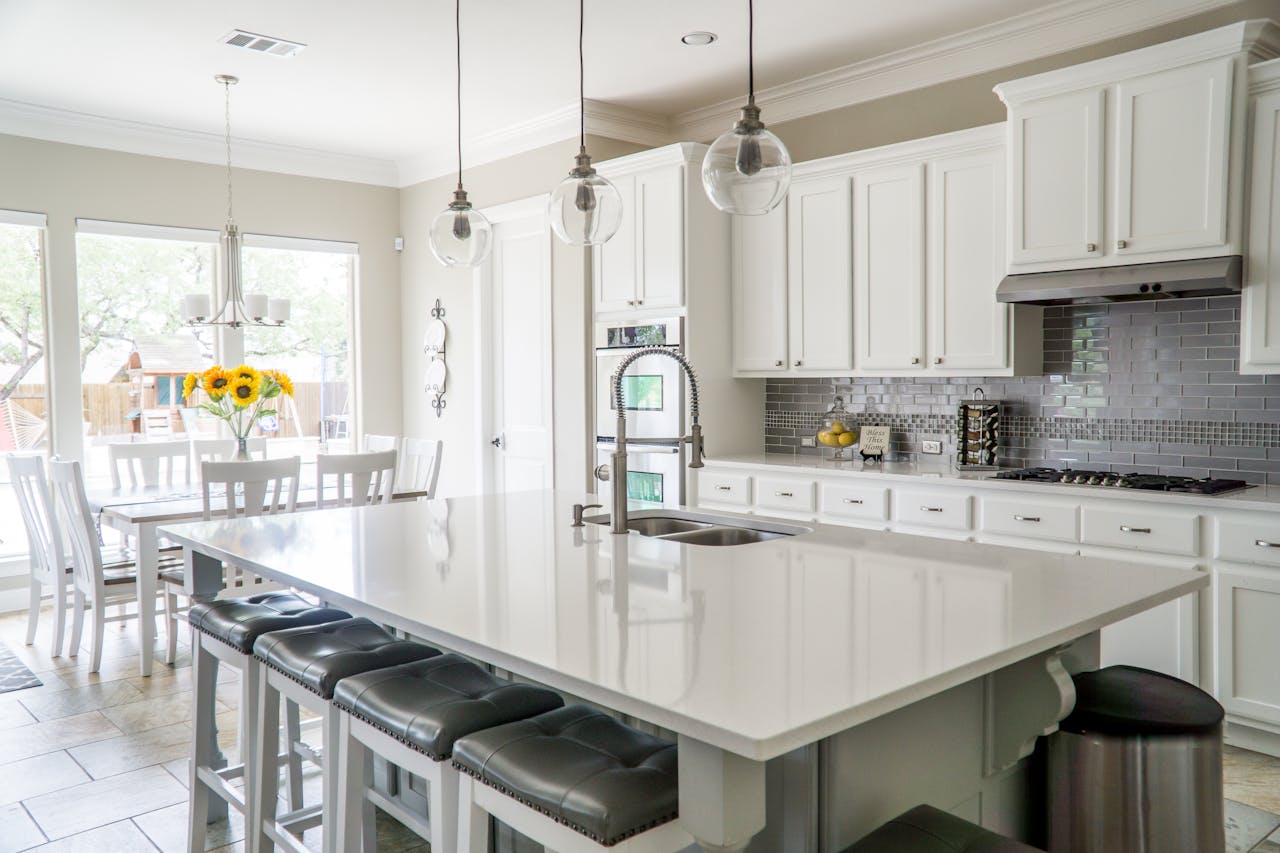
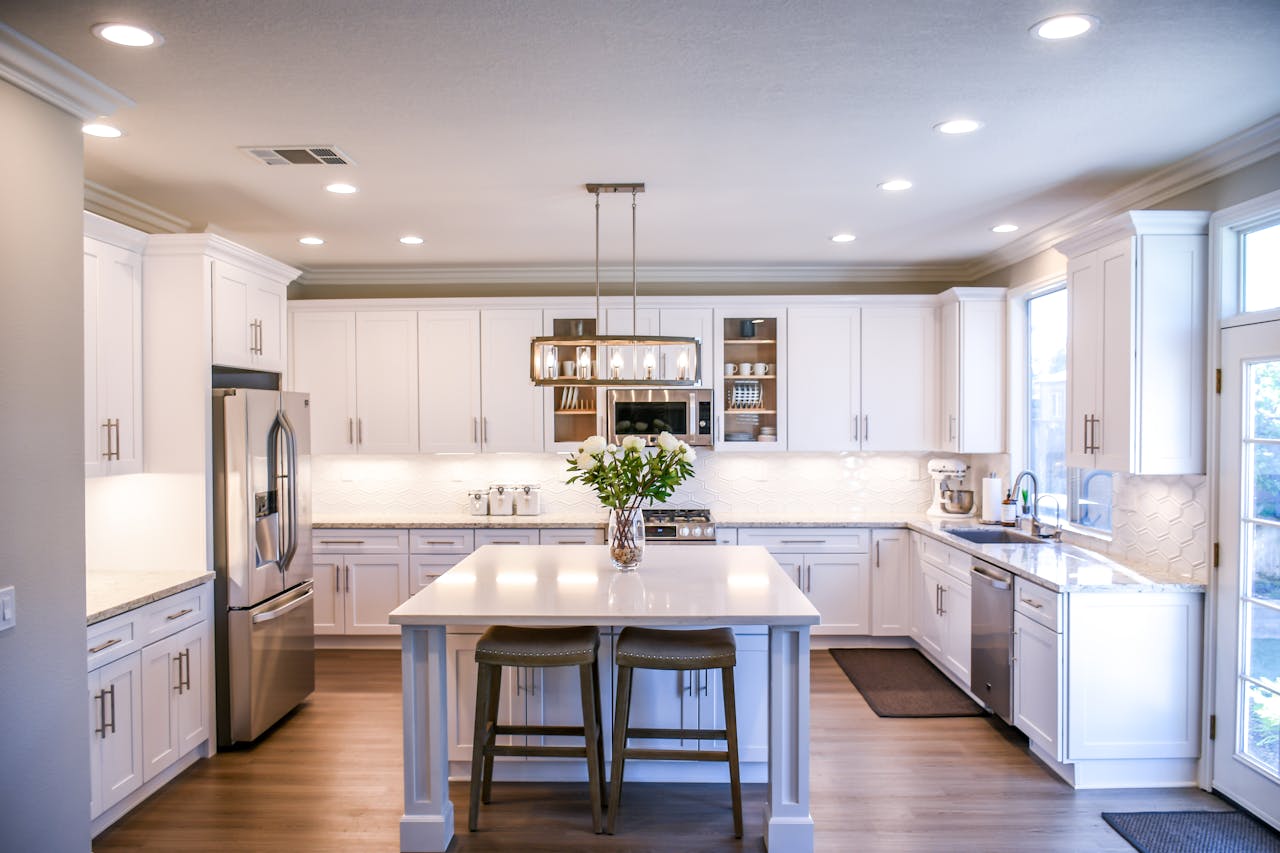
    A kitchen island with open shelving or cabinets underneath provides storage and workspace. A bathroom vanity with drawers instead of just doors maximizes the space under your sink.

    Utilize Dead Space

    The areas above doors, in corners, and under stairs often go unused. Install shelving above doorways for books or decorative items. Corner cabinets with lazy Susans make use of awkward spaces. Under-stair areas can become closets, mini offices, or wine storage.

    Pull-Out and Roll-Out Solutions

    Deep cabinets are notorious for becoming black holes. Install pull-out shelves, roll-out trash bins, or pull-out pantries. These make everything accessible without wasted space in the back.

    Hooks and Pegboards

    Don\’t underestimate the power of walls. Pegboards in garages and workshops, hook rails in mudrooms and bathrooms, and magnetic strips in kitchens all provide storage without taking up precious floor or shelf space.

    Small spaces require thoughtful planning, but with these strategies, you can create a home that feels spacious and organized.

  • Choosing the Right Contractor: Red Flags and Green Flags

    Your contractor can make or break your renovation experience. Here\’s how to choose wisely.

    Green Flags to Look For

    A good contractor will provide detailed written estimates that break down labor, materials, and timeline. They\’ll have proper licensing and insurance, which they\’re happy to verify. They communicate clearly and promptly, returning calls and emails in a reasonable timeframe.

    Look for contractors who ask lots of questions about your vision and needs. They should visit your home to assess the project before giving a quote—beware of estimates given over the phone without seeing the space.

    Check their references and actually call them. Ask about communication, timeline adherence, cleanliness, and how they handled problems. A portfolio of completed work, either online or in photos, shows their capabilities and style.

    Red Flags to Watch For

    Run from contractors who require large upfront payments (more than 30% is suspicious). They should never pressure you to decide immediately or offer \”special deals\” that expire today.

    Be wary of estimates that seem too good to be true—they usually are. The contractor might be cutting corners, inexperienced, or planning to hit you with change orders later.

    Poor communication at the quote stage will only get worse during the project. If they\’re hard to reach now, imagine trying to get them to fix a problem.

    Lack of proper insurance and licensing isn\’t just a red flag—it\’s a deal-breaker. If something goes wrong, you could be liable.

    Questions to Ask

    • How long have you been in business?
    • Can you provide references from recent projects similar to mine?
    • What\’s your timeline for this project?
    • How do you handle changes or unexpected issues?
    • Who will be on-site daily, and how can I reach them?
    • What\’s your payment schedule?
    • Do you warranty your work?

    Trust your gut. If something feels off about a contractor, keep looking. The right fit will feel like a partnership, not a battle.

  • Hidden Costs of Home Renovation (And How to Prepare for Them)

    You\’ve budgeted for materials and labor, but renovation costs have a sneaky way of multiplying. Here are the hidden expenses that catch homeowners off guard.

    The Domino Effect

    You start by replacing the kitchen countertops, but now the old backsplash looks terrible next to them. So you replace the backsplash, which makes the cabinet hardware look dated. Before you know it, you\’ve updated the whole kitchen. Combat this by planning the entire scope upfront, even if you phase the work over time.

    What\’s Behind the Walls

    Opening up walls can reveal outdated wiring, old plumbing that needs replacement, mold, asbestos, or structural issues. Set aside 10-20% of your budget for these surprises. It\’s better to be pleasantly surprised than financially stressed.

    Permit and Inspection Fees

    Depending on your location and project scope, permits can cost anywhere from a few hundred to several thousand dollars. Don\’t skip them—unpermitted work can haunt you when selling your home.

    Temporary Living Arrangements

    Renovating your only kitchen or bathroom? You\’ll need alternatives. Whether it\’s eating out more, setting up a temporary kitchen, or even renting temporary housing for major projects, these costs add up.

    Tool and Equipment Rental

    Even if you hire contractors, you might need to rent a dumpster, scaffolding, or specialty equipment. These rentals can cost hundreds per week.

    Protecting Your Belongings

    Dust travels. Invest in quality drop cloths, plastic sheeting, and storage solutions to protect your furniture and belongings. You might even need to rent a storage unit for larger projects.

    Increased Utility Bills

    Expect your electricity usage to spike with power tools running all day. Water usage may increase too.

    Smart Budget Breakdown

    • Materials and labor: 60-70%
    • Contingency for surprises: 15-20%
    • Permits and fees: 5-10%
    • Incidentals (temporary arrangements, equipment): 10-15%

    Being financially prepared for these hidden costs means you can handle them calmly instead of scrambling for solutions mid-project.

  • Planning Your Renovation: Creating a Realistic Timeline

    Nothing derails a renovation faster than unrealistic expectations about timing. Here\’s how to create a timeline that actually works.

    Start With Research

    Before you can timeline anything, you need to know what you\’re doing. Spend time gathering ideas, getting quotes, and understanding the scope. This phase alone can take 2-4 weeks for a major project.

    Factor in Lead Times

    That custom vanity might take 8-12 weeks to arrive. Special-order tile could be 6 weeks out. Contractor schedules might be booked 4-6 weeks in advance. Always ask about lead times and build them into your plan.

    Understand the Sequence

    Renovations must happen in a specific order. You can\’t install flooring before plumbing is done, or paint before drywall is finished. Work with your contractor to understand the sequence and how long each phase takes.

    Add Buffer Time

    Things go wrong. Materials arrive damaged. You discover unexpected issues behind walls. Weather delays outdoor work. Add 20-30% buffer time to your estimated timeline. If you finish early, great! But you won\’t be disappointed by delays.

    Plan Around Your Life

    Consider holidays, work commitments, and family events. Renovating your only bathroom right before hosting Thanksgiving? Recipe for stress. Think about how the disruption will affect your daily life and plan accordingly.

    Sample Timeline for a Kitchen Remodel

    • Planning and design: 3-4 weeks
    • Ordering materials: 6-8 weeks
    • Demo and structural work: 1 week
    • Rough-in (electrical, plumbing): 1 week
    • Drywall and painting: 1 week
    • Cabinet installation: 3-5 days
    • Countertop fabrication and installation: 2-3 weeks
    • Flooring, backsplash, fixtures: 1 week
    • Total: 14-18 weeks

    A realistic timeline reduces stress and helps you maintain good relationships with your contractors and your family.

  • DIY vs. Hiring a Pro: How to Decide for Your Renovation Project

    One of the biggest questions in any renovation is whether to DIY or hire a professional. The answer isn\’t always straightforward, but asking yourself these questions can help.

    Do You Have the Right Skills?

    Be honest about your abilities. Painting a room? Most people can handle that. Installing a load-bearing beam? That\’s professional territory. Watch tutorial videos and read about the project thoroughly. If you\’re still confused or intimidated, it\’s probably not a DIY job.

    What\’s Your Timeline?

    Professionals work faster because they do this every day. If you\’re working evenings and weekends, a project that takes a pro three days might take you three weeks. Consider whether that timeline works for your situation.

    What Are the Risks?

    Some mistakes are easy to fix; others are costly disasters. Electrical work, plumbing, structural changes, and gas line work should almost always be left to licensed professionals. The risks of doing them incorrectly include fires, floods, structural failure, and even injury.

    Is It Required by Code?

    Many jurisdictions require licensed professionals for certain types of work, and inspections may be needed. Check your local building codes before starting any major project.

    What\’s the Cost Difference?

    Get quotes from professionals and compare them to your DIY cost (including tool purchases or rentals). Sometimes the difference is smaller than you\’d think, especially when you factor in your time.

    Good DIY Projects

    Painting, installing shelving, landscaping, tile backsplashes, minor carpentry, cabinet hardware installation.

    Usually Hire a Pro

    Electrical work, plumbing, structural changes, roofing, foundation work, HVAC installation, gas line work.

    The sweet spot is often a hybrid approach: hiring pros for technical work while handling cosmetic updates yourself.

  • Bathroom Updates That Add Real Value to Your Home

    When it comes to home improvements, bathroom renovations consistently rank among the best returns on investment. But not all updates are created equal.

    Upgrade Your Vanity

    A dated vanity can make your entire bathroom feel old. Modern vanities with clean lines and ample storage not only look great but solve practical problems too. You don\’t need to go custom—many retailers offer beautiful pre-made options that look high-end at mid-range prices.

    Improve Your Lighting

    Good lighting transforms a bathroom from functional to luxurious. Layer your lighting with overhead fixtures, vanity lights, and even a statement chandelier if your ceiling height allows. Dimmer switches add versatility and ambiance.

    Update Fixtures and Hardware

    Swapping out old faucets, showerheads, towel bars, and drawer pulls is one of the easiest ways to modernize your bathroom. Choose a consistent finish (brushed nickel, matte black, or brass) throughout for a cohesive look.

    Consider a Walk-In Shower

    If you have the space, replacing a tub with a spacious walk-in shower is increasingly popular, especially with aging-in-place in mind. Frameless glass doors, beautiful tile work, and a rainfall showerhead create a spa-like experience.

    Don\’t Forget Ventilation

    It\’s not glamorous, but proper ventilation prevents mold and protects your investment. If your bathroom fan is loud or ineffective, upgrading to a quiet, efficient model is money well spent.

    The best bathroom updates balance aesthetics with functionality, creating a space that feels special every day while appealing to future buyers.

  • Kitchen Remodel on a Budget: 10 Ways to Save Without Sacrificing Style

    Dreaming of a kitchen makeover but worried about the cost? You\’re not alone. Kitchen renovations can be pricey, but with smart planning, you can create a beautiful space without breaking the bank.

    Paint Your Cabinets Instead of Replacing Them

    One of the biggest expenses in a kitchen remodel is new cabinets. Instead, consider painting your existing ones. With quality paint and new hardware, you can completely transform the look for a fraction of the cost. This simple update can save you thousands while giving you that fresh, modern feel.

    Focus on High-Impact Changes

    Not everything needs to be replaced. Focus your budget on the elements that make the biggest visual impact: countertops, backsplash, and lighting. A stunning quartz countertop paired with a subway tile backsplash can elevate your entire kitchen, even if you keep the existing layout.

    Shop Second-Hand for Fixtures

    Check out architectural salvage stores, Habitat for Humanity ReStores, and online marketplaces for gently used or surplus fixtures. You\’d be surprised at the quality lighting, sinks, and even appliances you can find at steep discounts.

    DIY What You Can

    Painting, installing a backsplash, or replacing cabinet hardware are all projects most homeowners can tackle themselves. Save the professionals for electrical work, plumbing, and structural changes. Your willingness to roll up your sleeves can save you 20-30% on labor costs.

    The key to a budget-friendly kitchen remodel is knowing where to splurge and where to save. With these strategies, you\’ll have a kitchen you love without the financial stress.